Do you love homes where design tells a story? In Arizona Biltmore Estates, architecture is more than a style choice. It is the amenity that shapes light, privacy, and how you live every day. If you understand the neighborhood’s design DNA, you can spot lasting value, plan smart updates, and sell with confidence. This guide breaks down the history, styles, features, and practical tips that matter most. Let’s dive in.
What shaped Biltmore design
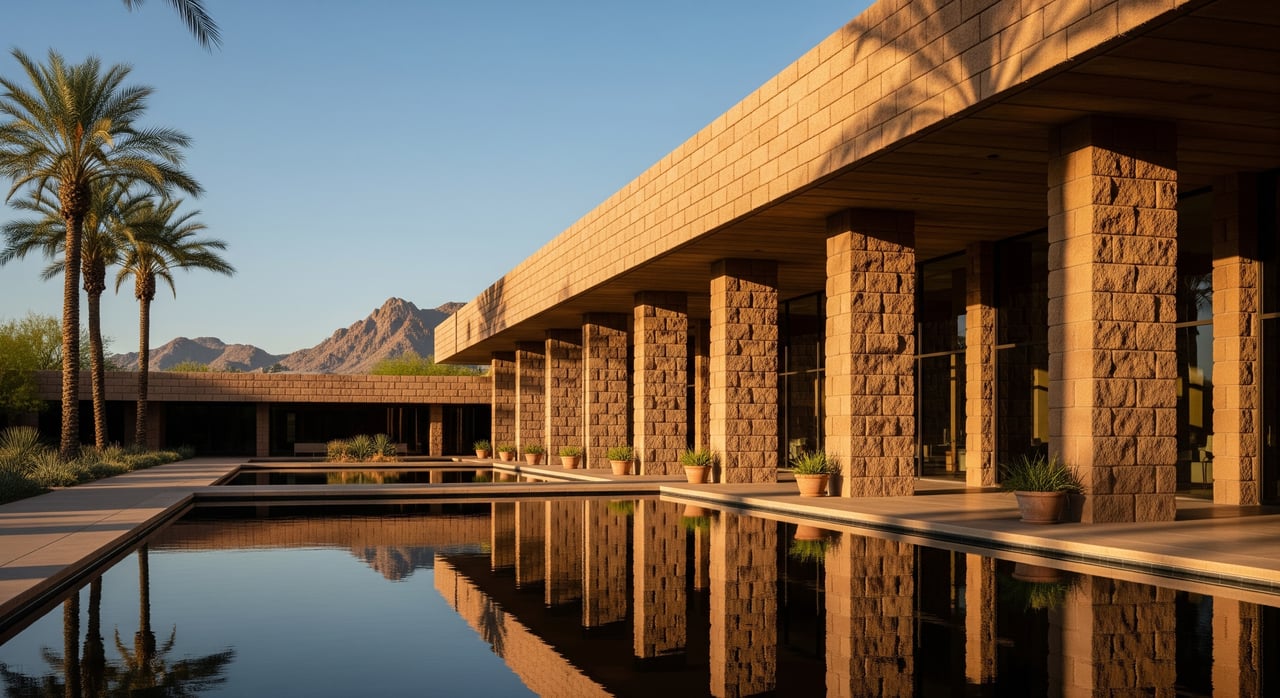
The Arizona Biltmore area took shape around the iconic Arizona Biltmore resort, which opened in 1929. The resort’s resort‑suburb model influenced nearby homes with courtyards, shaded outdoor rooms, and landscaping that cools and protects. Architect Albert Chase McArthur’s patterned concrete block and geometric ornament gave the area a distinctive vocabulary. Frank Lloyd Wright’s ideas informed the look and thinking here through influence and consultation, particularly the integration with the landscape and interest in patterned concrete.
Over time, waves of building added layers to the neighborhood’s character. Early homes leaned Mediterranean and Spanish Colonial Revival. Mid‑century and desert modern designs brought clean lines, large glass, and indoor/outdoor spaces. Today’s custom estates often blend classic motifs with contemporary luxury.
House styles you will see
Spanish Colonial & Mediterranean Revival
Classic resort‑era homes showcase stucco walls, red clay tile roofs, and arched openings. You will see wrought‑iron details, hand‑painted tilework, and heavy wood doors. Plans often center on shaded courtyards, loggias, and mature Mediterranean landscaping.
Signature features to note:
- Stucco in white or earth tones
- Red clay tile roofs and arcades
- Courtyards, fountains, and tile accents
Mission Revival & Territorial influences
These homes feature smooth or textured stucco with parapet walls or shallow roof pitches. Look for small towers, bell‑shaped parapets, and thick walls that moderate temperature. Windows are often casement style with divided lights.
Key elements include:
- Parapet rooflines and simple massing
- Decorative tile and thick plaster profiles
- Wood-framed windows and doors
Mid‑century Modern & Desert Modern
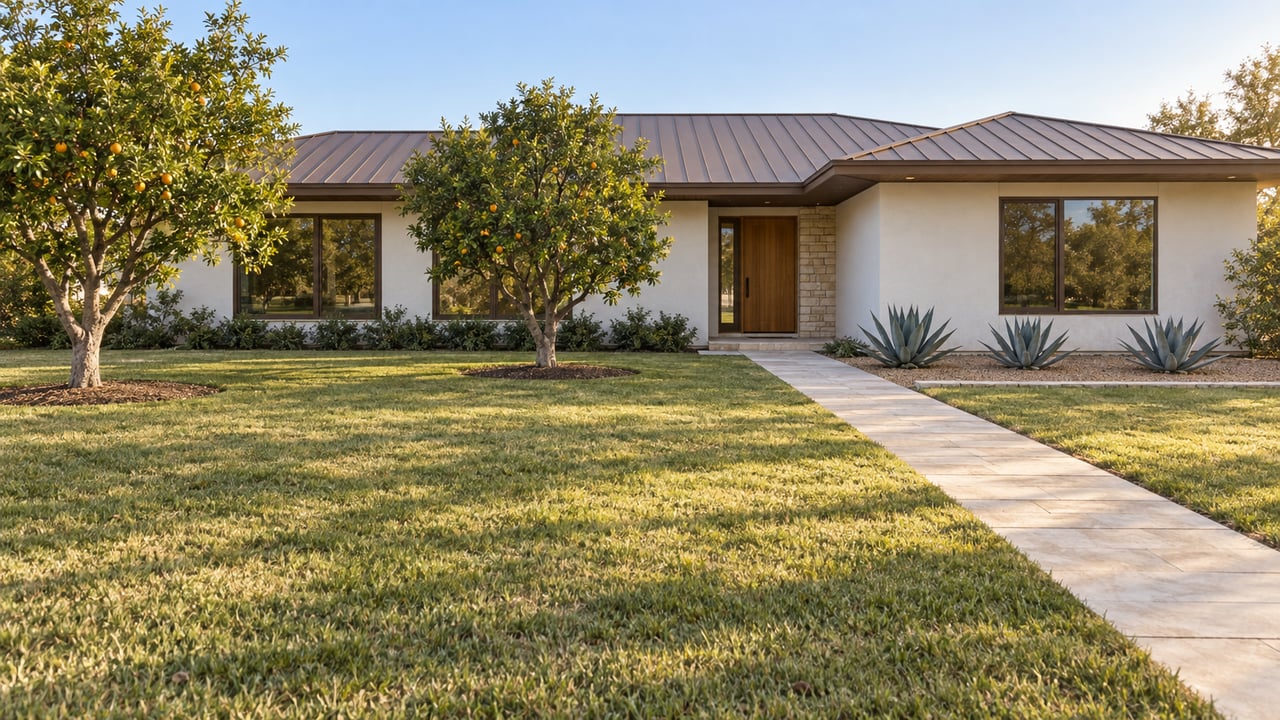
Built from the 1940s to the 1970s, these homes frame the desert with long horizontal lines. Expect flat or low‑sloped roofs, picture windows, and clerestory glass. Deep overhangs, terrazzo or concrete floors, and open plans create easy indoor/outdoor flow.
Defining characteristics:
- Large glass walls and clerestory windows
- Deep overhangs for sun control
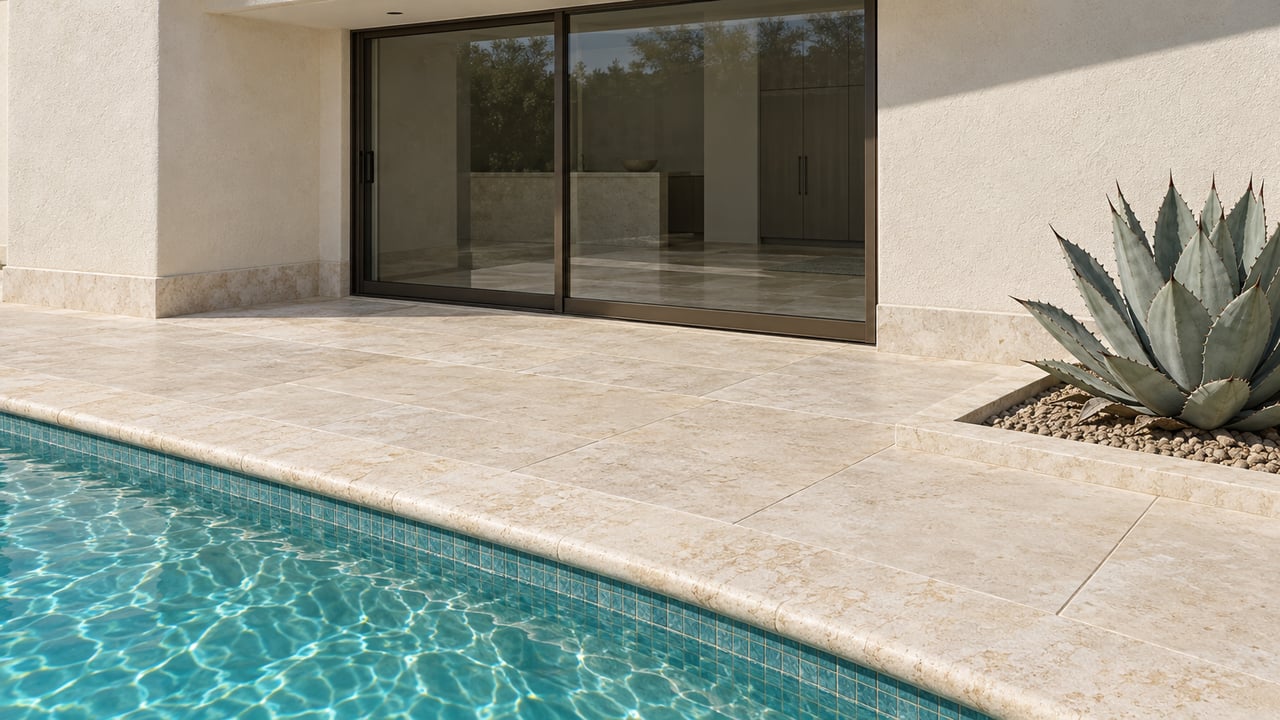
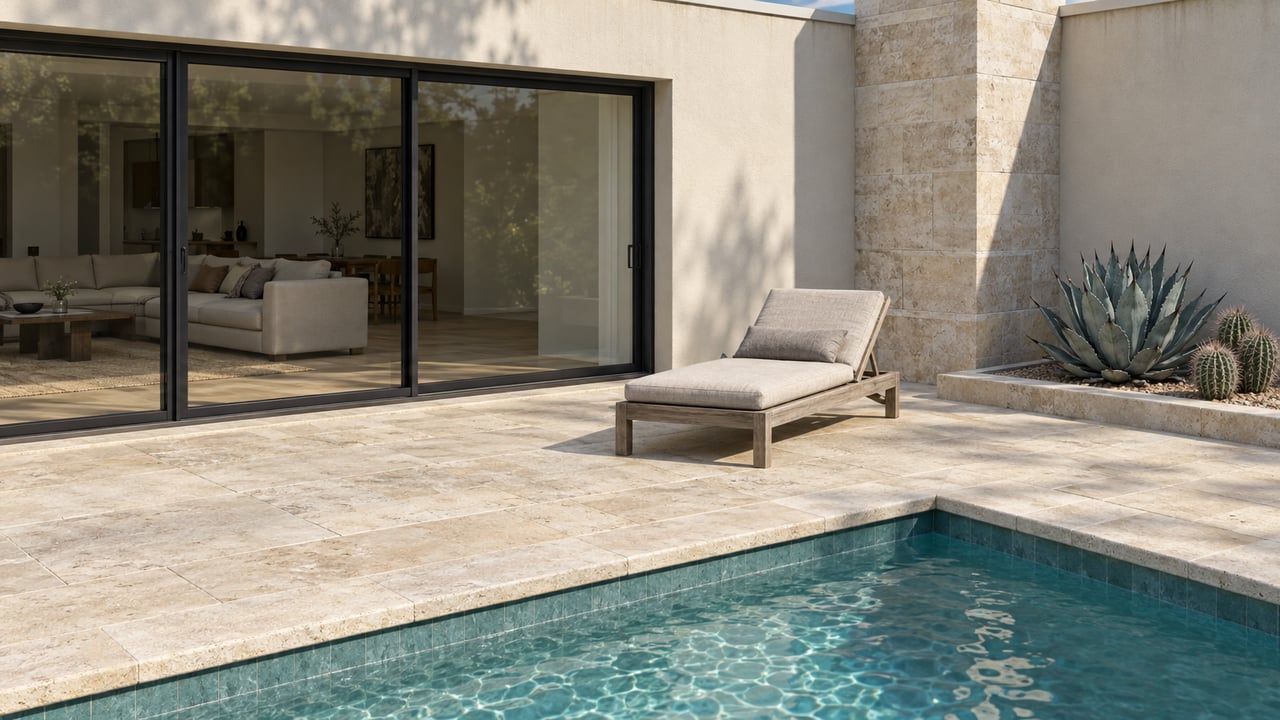
- Patios and pool courts integrated with native landscaping
Contemporary luxury & custom estates
From the 1990s to today, custom homes emphasize space, privacy, and premium materials. Many feature steel and glass, large great rooms, and luxury amenities like media rooms, wine storage, and spa baths. Outdoor living often includes kitchens, misting systems, and elaborate poolscapes.
What to expect:
- Expansive open plans and high‑end finishes
- Tailored outdoor living with kitchens and lounges
- Motifs that nod to Biltmore heritage, like courtyards or patterned accents
Biltmore block & geometric details
The neighborhood’s most recognizable accent is the patterned concrete “Biltmore block.” You may see it in decorative walls, planters, and screens. These geometric reliefs are part of the area’s visual identity and add texture to entries and courtyards.
Outdoor living hallmarks
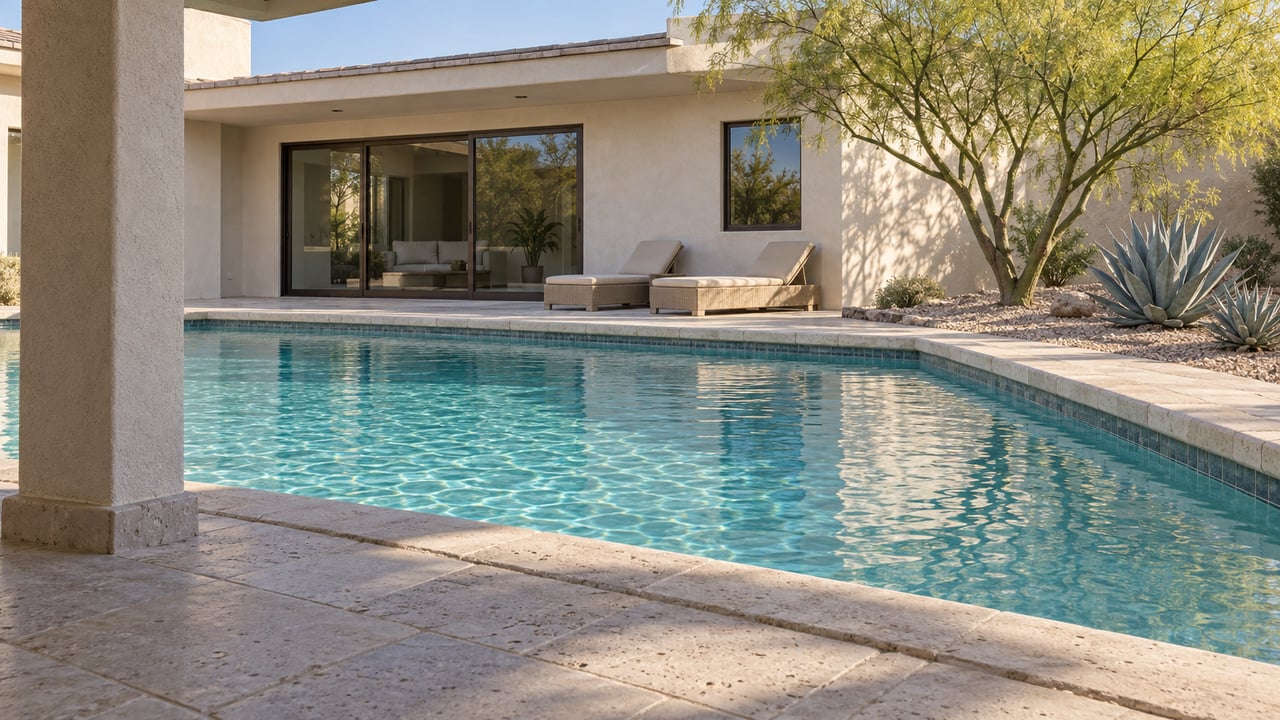
No matter the era, the best Biltmore homes celebrate the climate. Shaded patios, private pools, and mature landscaping are standard. Orientation, overhangs, and screens help reduce heat gain while maintaining privacy and views.
Materials and maintenance that matter
Stucco exteriors
Stucco over masonry or frame is common and durable in the desert. Expect hairline cracking from thermal movement. Routine inspection, patching, and painting will keep exteriors in top shape.
Clay tile roofs
Clay tile is long‑lived but relies on healthy underlayment and flashing. Periodic tune‑ups or underlayment replacement may be needed, especially after heavy rains or hail. Ridge details also deserve attention.
Patterned concrete block
Biltmore blocks age well but can develop cracks or spalling over decades. Repairs should match pattern and finish to preserve character. Replacement blocks can be difficult to source, so plan ahead during renovations.
Wood elements
Exposed beams, doors, and windows bring warmth and craftsmanship. They also need protection from sun and heat, along with vigilance for termites and dry rot. If original windows are single‑glazed, consider careful retrofits that respect the design.
Mechanical, electrical, and plumbing
Early systems are often upgraded. Verify prior retrofit work, electrical panel capacity, ductwork condition, and plumbing materials. Ask about any historic finishes that could involve lead or asbestos and plan due diligence accordingly.
Energy and comfort updates
Historic designs used passive strategies like deep overhangs and courtyards. Modern buyers often add insulation, high‑efficiency HVAC, and storm glazing. Done well, these updates boost comfort without sacrificing character.
Solar and equipment placement
Solar panels and high‑efficiency heat pumps are common in Phoenix. Assess roof structure, orientation, and visual impact, especially on high‑character homes. Aim for placements that are effective and discreet.
Buyer checklist for character homes
Use this quick list during showings and inspections:
- Roof: tile condition, underlayment, and flashing
- Masonry: cracks or spalling in patterned blocks; stucco hairlines
- Openings: window and door integrity, original vs replacement
- HVAC: age, capacity, ductwork condition
- Moisture: signs of water intrusion at roofs, planters, and courtyards
- Electrical: panel capacity and documented upgrades
- Plumbing: material types and age of replacements
- Permits: verification for additions, pool, and safety features
Seller playbook to showcase architecture
Your goal is to present authenticity and care. Prepare a concise factsheet with year built, architect if known, notable original features, and dates of major updates. Include any historic designations or permits.
Invest in professional photography that highlights courtyards, patterned block, tilework, and indoor/outdoor sightlines. Stage outdoor rooms like living spaces, not afterthoughts. For architecturally significant homes, a short, factual provenance paragraph can raise buyer confidence when supported by documentation.
Pricing context and positioning
Arizona Biltmore Estates sits in the upper tier of the Phoenix market. Architectural character is a key differentiator alongside lot size, privacy, and proximity to the resort and Biltmore Fashion Park. Well‑preserved period homes and architect‑driven properties often attract design‑focused buyers and merit specialized marketing.
To support premium pricing, emphasize verifiable restoration, original materials in excellent condition, professionally designed outdoor living, and thoughtful upgrades that respect the home’s era.
Renovation, zoning, and records
Before major changes, verify whether local historic overlay or conservation guidelines apply. Exterior changes in regulated areas may trigger review, so confirm requirements with the City of Phoenix Historic Preservation Office. Check HOA or neighborhood design standards where applicable.
Always confirm permits for prior additions, pools, and tree removals. Maricopa County property records can help substantiate history, while a preservation‑aware contractor can guide material matching for tile, plaster, or patterned block.
Bring it together
When you understand the styles and materials that define Arizona Biltmore Estates, you make better decisions. You know which original details matter, how to prioritize maintenance, and what to emphasize in a listing. With the right plan, character becomes your competitive edge.
If you are exploring a purchase or preparing to list, let’s talk strategy tailored to your goals. Connect with Lauren Ellington for boutique, hospitality‑level representation rooted in deep neighborhood expertise.
FAQs
What is the Biltmore block in Arizona Biltmore Estates?
- It is a patterned concrete block used at the resort and echoed in nearby residences as decorative walls, planters, and screens that define the area’s visual identity.
Which home styles are most common in Arizona Biltmore Estates?
- You will see Spanish and Mediterranean Revival, Mission and Territorial influences, mid‑century and desert modern, plus contemporary custom estates with luxury features.
What maintenance issues should buyers watch for in older Biltmore homes?
- Focus on tile roof underlayment and flashing, stucco and block cracks, window and door condition, HVAC capacity and ductwork, and evidence of moisture intrusion.
How can sellers highlight architectural character in a listing?
- Prepare a factsheet with year built, notable original features, and documented updates; invest in professional photography that showcases courtyards, block patterns, and indoor/outdoor flow.
Do Biltmore renovations require special approvals in Phoenix?
- Exterior changes in areas with historic overlay or conservation guidelines may require review, so verify with the City of Phoenix Historic Preservation Office and check HOA standards.
Are solar panels a good fit for Biltmore homes?
- Yes, solar is common in Phoenix; assess roof structure and orientation and choose placements that deliver performance while minimizing visual impact on character homes.