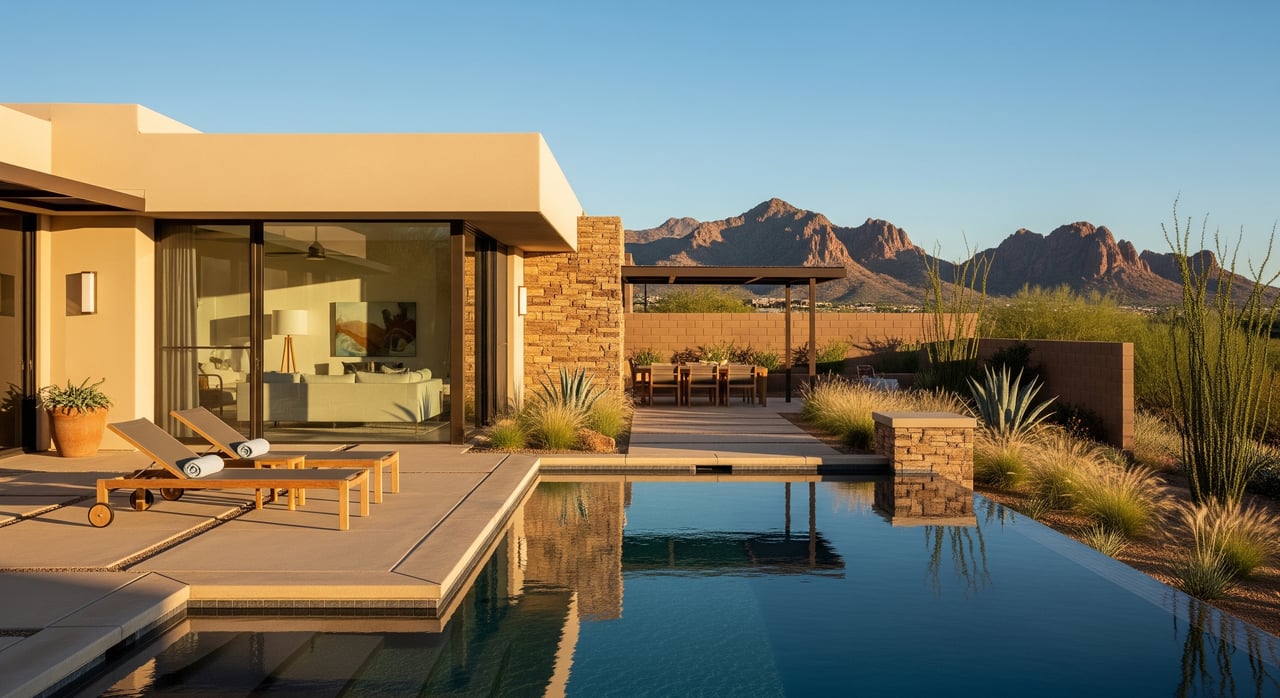
Thinking about a move to Paradise Valley? You’re not alone. Many buyers are drawn to its quiet streets, mountain views, and resort-level amenities that make everyday life feel like a getaway. In this guide, you’ll see what daily life looks like, the types of homes you’ll find, and the practical details that help you decide if this desert town fits your goals. Let’s dive in.
Paradise Valley at a glance
Paradise Valley sits between Phoenix and Scottsdale in the heart of the metro area. You’re close to Old Town Scottsdale, the Biltmore corridor, and downtown Phoenix while enjoying a low-density, residential setting. It’s known for large lots, custom homes, and scenic backdrops that include Camelback Mountain and Mummy Mountain.
The town prioritizes privacy, open space, and views. Local planning policies favor single-family homes over higher-density development, which helps preserve the peaceful feel. Many residents are established professionals, second-home owners, and families who value a refined, resort-at-home lifestyle.
Daily life and lifestyle
Outdoor recreation
If you love the outdoors, you’ll spend a lot of time on nearby trails and desert preserves. Camelback Mountain’s trailheads and the Mummy Mountain Preserve offer hiking, trail running, and sunrise viewpoints. Back at home, patios, pools, and outdoor kitchens make it easy to entertain friends and enjoy cool desert evenings.
Golf and clubs
Private and semi-private golf and country clubs are a common part of social life. Many residents book lessons, meet friends for dinner at the clubhouse, or attend member events. Even if you’re not an avid golfer, club amenities often include fitness, tennis, and spa services.
Resort, spa, and wellness
Paradise Valley and its neighboring areas feature luxury resorts and destination spas. You can enjoy high-end fitness classes, massage and wellness treatments, and fine dining just a short drive from home. Boutique fitness studios and private trainers are also widely available in surrounding Scottsdale and Phoenix neighborhoods.
Dining, shopping, and arts
The town itself stays quiet at night, but you’re minutes from Scottsdale’s dining and nightlife. Old Town galleries, Scottsdale Fashion Square, and central Phoenix arts venues give you a full calendar of exhibitions, performances, and events. For everyday needs, you’ll find grocery stores, pharmacies, and specialty shops in nearby corridors.
Home styles and neighborhoods
Estate lots and privacy
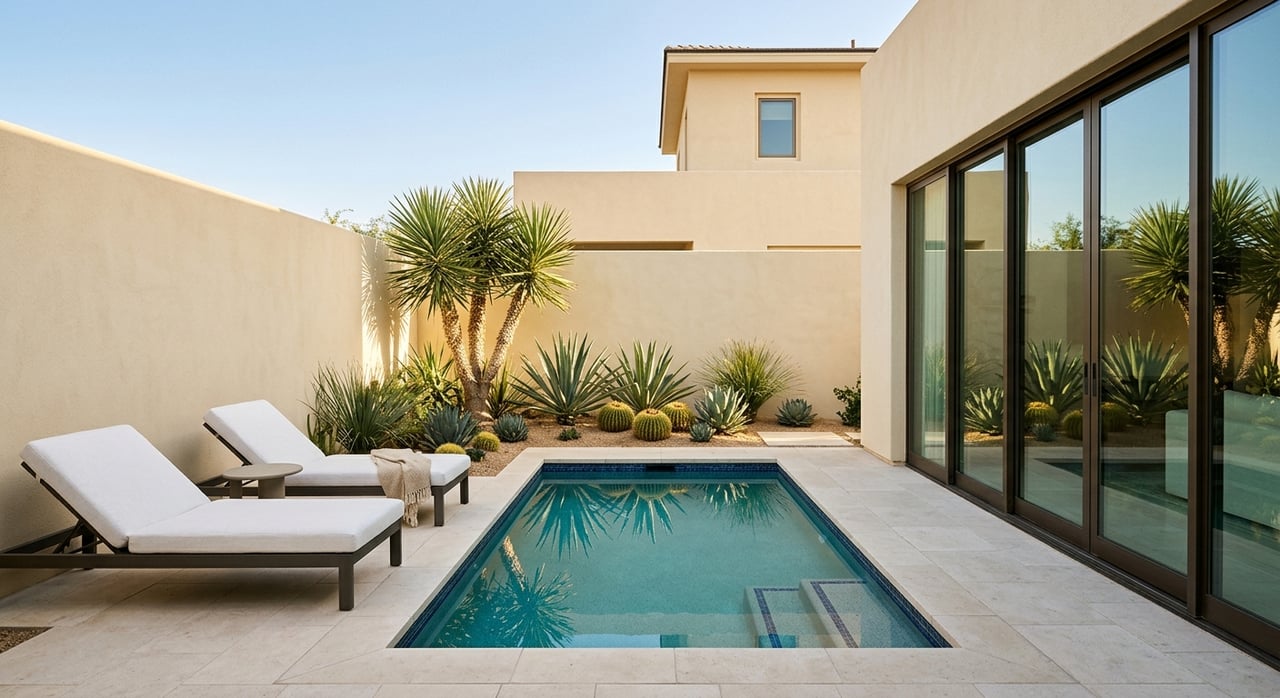
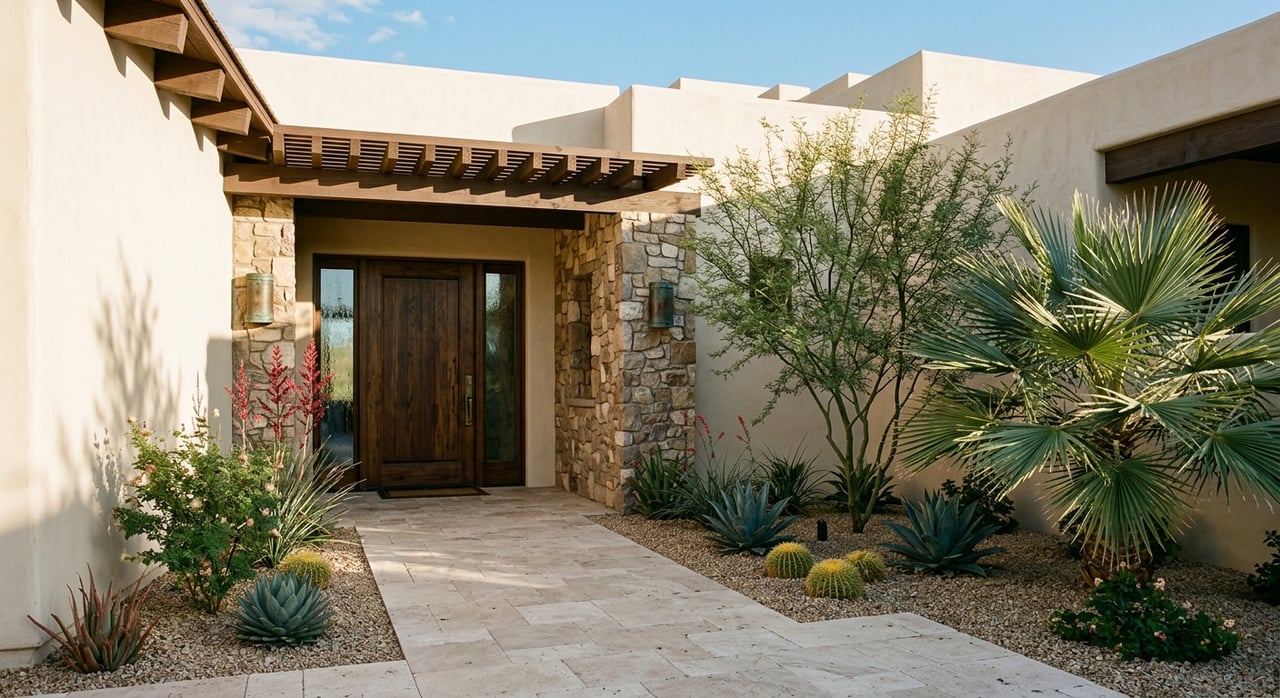
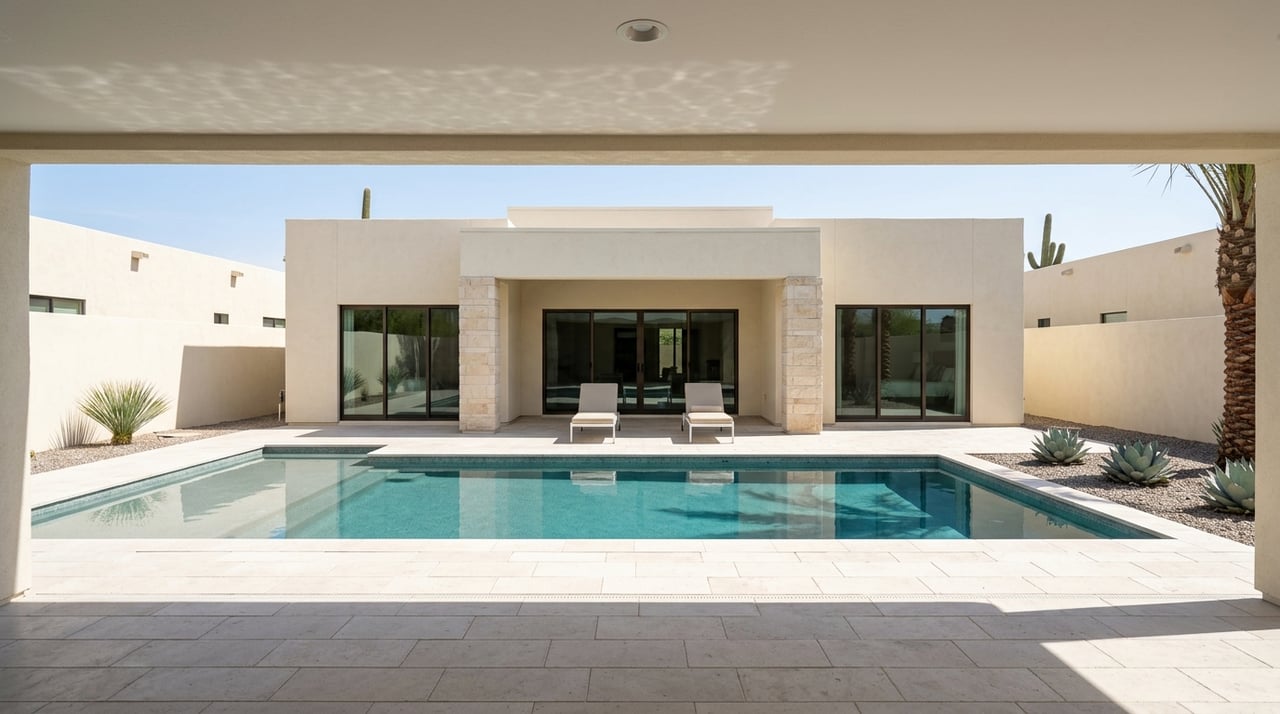
Paradise Valley is defined by large, single-family properties. Many homes sit on half-acre to multi-acre lots with mature desert landscaping, long driveways, and private courtyards. Pools are common, and many homes are oriented to capture mountain or city-light views.
Architecture you’ll see
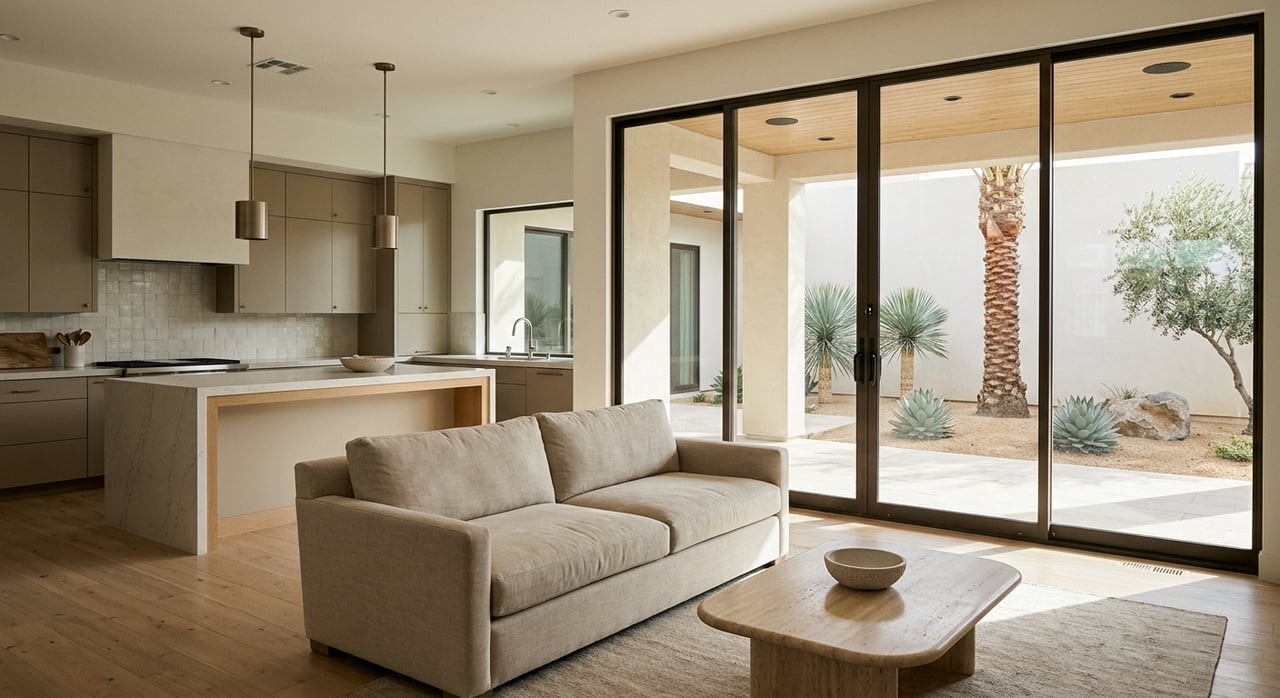
You’ll spot a mix of design styles: contemporary or modern luxury, Mediterranean and Spanish revival, custom desert modern, and renovated mid-century homes. If you appreciate thoughtful architecture, you’ll find many unique, custom builds that blend indoor and outdoor living.
New builds and rebuilds
Teardown and rebuild activity is common, especially where older ranch or mid-century homes are being replaced by modern luxury residences. If you’re considering a new build, plan for the town’s permitting and design review process and confirm setback and lot coverage requirements early.
Zoning, HOAs, and design review
The town’s zoning favors low density, with district-specific lot sizes and setbacks. Many properties are not in HOAs, though you’ll find gated communities and subdivisions that do have rules and dues. For remodels or custom construction, check the Town of Paradise Valley’s permit, plan review, and design standards before you begin.
What it costs to live here
Purchase price expectations
Paradise Valley is one of the most expensive residential areas in the Phoenix metro. Entry-level homes are still high relative to regional averages, and many estates list in the multi-million-dollar range. Buyers pay premiums for mountain views, larger lots, modern renovations, and proximity to clubs and resorts.
Ongoing ownership costs
- Energy and cooling: Summers are hot, so expect meaningful AC usage. Many homes feature upgraded HVAC, multi-zone systems, and smart thermostats.
- Water and landscaping: Xeriscaping and efficient irrigation are common. Pools add ongoing water and maintenance needs.
- Insurance: Coverage costs vary by home and location. In desert-adjacent areas, consider wildfire mitigation and monsoon season wind or hail risks.
- Property taxes: Arizona’s effective rates are moderate compared with many states, but higher assessed values in Paradise Valley mean larger absolute tax amounts. Review parcel data and recent tax bills through county offices during due diligence.
Maintenance checklist for larger estates
- Seasonal HVAC service and filter changes
- Pool equipment inspections and chemical balancing
- Irrigation audits and drip system repairs
- Roof, stucco, and exterior seal checks before monsoon season
- Landscape trimming for defensible space near natural desert
- Smart-home and security system tests
Climate and seasonal living
What the weather means for you
Paradise Valley has a desert climate. Winters are mild, with daytime highs often in the 60s to 70s. Summers bring many days over 100 degrees, and monsoon season from roughly July through September can deliver humidity, thunderstorms, dust storms, and localized flash flooding.
Home features that matter
Orientation and shade are big advantages. Deep overhangs, insulated windows, quality roofing, and well-planned landscaping help manage heat. Covered patios, misting systems, and shaded outdoor living areas extend your time outside. Make sure drainage is designed to handle seasonal storms.
Schools and education options
Public school assignments depend on your property’s address and may include areas served by Paradise Valley Unified School District or Scottsdale Unified School District. Many families also consider nearby private or parochial options in Phoenix and Scottsdale. If schools are a priority, verify attendance zones and review official report cards and policies through district and state education sites during your search.
Getting around and commute
Drive times and connectivity
Private vehicles are the primary way to get around. Depending on your location and traffic, you can reach central Phoenix or Old Town Scottsdale in roughly 15 to 30 minutes under non-peak conditions. Loop 101 and State Route 51 connect you to major employment centers, and Phoenix Sky Harbor International Airport is a convenient drive away.
Transit options
Public transit is limited within Paradise Valley itself. Regional bus and light rail lines are accessible in nearby corridors, but most residents rely on cars or car services for daily travel and airport trips.
Smart buying checklist
Before you write an offer, review the details that matter most in this market:
- Market comparables for similar homes and views
- Solar orientation and shade for heat management
- Age and condition of HVAC and pool systems
- Irrigation setup, water features, and landscape health
- HOA or CC&R rules if applicable
- Permit history, setbacks, and lot coverage limits
- Short-term rental rules that may affect your plans
- Insurance quotes that reflect local weather considerations
Short-term rentals and regulations
If you plan to rent your property short term, verify current Town of Paradise Valley ordinances and licensing requirements. Local rules vary across the Phoenix metro and can change. Check policies and permitting during due diligence so your plans align with town code.
Is Paradise Valley right for you?
If you want privacy, mountain views, and a resort-level lifestyle minutes from Scottsdale and Phoenix, Paradise Valley delivers. You’ll find custom estates on large lots, a quiet residential setting, and easy access to dining, arts, and outdoor recreation. With the right guidance, you can match your wish list to the perfect property and understand the operating costs before you buy.
Curious where to start or which neighborhoods fit your style? Reach out to Lauren Ellington for boutique, white-glove representation and local expertise that makes your next move feel clear and confident.
FAQs
What is daily life like in Paradise Valley?
- Quiet, private, and upscale, with outdoor living, nearby hiking, golf and club amenities, and short drives to Scottsdale and Phoenix for dining and culture.
What types of homes are common in Paradise Valley?
- Custom luxury estates on large lots, modern rebuilds, Mediterranean or desert-modern designs, and renovated mid-century homes, often with pools and outdoor entertaining areas.
How expensive is it to own a home in Paradise Valley?
- Higher than metro averages, with purchase prices often in the upper tiers and ongoing costs for cooling, pools, landscaping, insurance, and higher absolute property taxes.
How does the climate affect homeownership?
- Hot summers and monsoon storms make HVAC performance, shade, quality roofing, drainage, and pool maintenance important considerations.
Are there HOAs or strict building rules in Paradise Valley?
- Many properties have no HOA, but some gated or planned communities do. The town enforces setbacks, lot coverage, and design review for remodels and new builds.
What should I check before making an offer in Paradise Valley?
- Verify comps, HVAC and pool condition, irrigation systems, HOA or CC&R requirements, permit history, and any short-term rental rules that could impact your plans.