A seller in Silverleaf asked me a fair question before we signed the listing agreement: would her golf membership transfer to the buyer, or should she plan to sell it separately? The honest answer surprised her. In Silverleaf, the house and the club membership are always two separate transactions, no matter what the listing photos imply.
That distinction sounds like a technicality until you are the one pricing a home, writing marketing copy, or fielding a buyer who assumed access to the Tom Weiskopf golf course came bundled with the deed. It doesn't. And once a seller understands why, the rest of the Silverleaf sale process starts to look different too. What gets marketed as one luxury market is really three, each pricing differently, and the paperwork behind the sale carries more moving parts than a standard Scottsdale resale.
Your Club Membership Is Not Part of the Sale
The Silverleaf Club operates entirely apart from the homeowners association. Membership requires its own initiation and dues, and it does not convey automatically when a property changes hands. Resale of an existing membership is handled through the club itself, not through the closing table, which means a buyer who wants golf access either takes over a membership through the club's own process or joins the waitlist independently.
That waitlist is not a minor detail for anyone selling a golf-frontage home. The club currently maintains a multi-year wait for full golf membership, so a buyer purchasing specifically for course access may own the home well before they can play it. Sellers who assume membership status adds automatic value to their listing, or who market "club membership included," are creating an expectation the club itself won't honor without a separate application and approval process.
This is also where public information gets murky enough to create real liability in marketing copy. Initiation fees and dues are not publicly disclosed by the club, and secondhand estimates found across real estate sources vary widely, from roughly $25,000 for clubhouse-only access up toward $400,000 or more for golf membership, depending on the source and the year. The safer move for a seller is to direct interested buyers to confirm current terms with the Silverleaf Club membership office directly rather than print a number in a listing description that the club may not honor.
The Inspection That Isn't a Formality
Every resale inside DC Ranch, including Silverleaf, triggers a mandatory external inspection of the property. This is a state-statute requirement, not an optional HOA courtesy. DC Ranch's own resale documentation spells out a $100 fee for the inspection on residential properties and confirms that the community is required to inspect for CC&R violations before the disclosure package goes out.
The property can still close even if the inspection turns up a violation. What happens instead is a negotiated remedy: the owner and the community work out a compliance plan with a window of 10 to 180 days to fix the issue, with the timeline depending on cost and complexity. That is a wide enough range that a seller who orders their disclosure documents late in the process, expecting a quick rubber stamp, can find themselves negotiating a cure period during escrow instead of before it.
DC Ranch's enforcement history backs that up. Starting in 2020, the association pushed to remove hundreds of Sissoo trees in Arcadia at Silverleaf, one of the community's named enclaves, over concerns that the roots were damaging pavement and underground pipes. Residents pushed back, and by 2023 the dispute had produced a civil lawsuit and a temporary restraining order limiting how many trees the HOA could remove without individual homeowner consent. One resident described why the trees mattered to the neighborhood in the first place:
"Everybody knew this was the tree neighborhood."
The HOA later assessed a $3,000 fee to every homeowner in the neighborhood to cover removal costs, including owners who had never agreed to have a tree taken down. Whatever side of that specific fight a seller was on, the episode is a useful reminder that Silverleaf's HOA does not treat architectural and landscaping compliance as a formality. It has shown a willingness to enforce its rules and assess costs, which is exactly the posture a pre-listing inspection can surface.
One Median Price, Three Very Different Markets
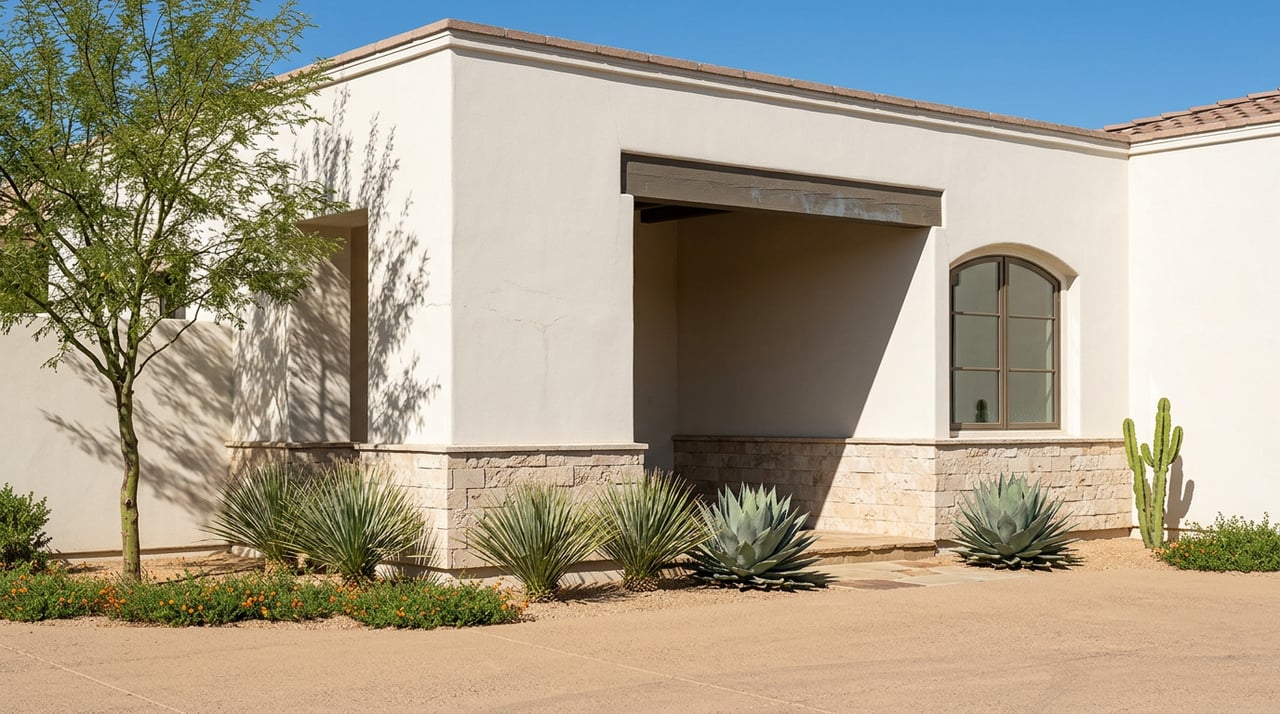
Silverleaf gets talked about as a single luxury price point, but the community spans product types that do not compete with each other in any meaningful sense. The Casitas neighborhood holds 36 homes ranging from roughly 3,000 to 4,700 square feet. The Upper Canyon corridor holds fully custom estates on hillside lots from one to five or more acres, with homes ranging from 6,000 square feet up past 20,000.
The recent closing record makes the spread obvious. A 14,369-square-foot hillside estate on 81,780 square feet of land in the Upper Canyon corridor sold for $25.8 million in December 2025. Two months later, another hillside estate on 63,000 square feet of land closed at $11.5 million. In May 2026, a Casita-product transaction closed at $2.72 million, representing the trailing low end of recent Silverleaf closings.
| Product type | Typical size | Recent closing evidence |
|---|---|---|
| Casitas | 3,000–4,700 sq ft (36 homes) | $2.72M closing, May 2026 |
| The Parks Villas | 2,600–4,500 sq ft (four floor plans) | Priced between the Casita floor and Upper Canyon ceiling |
| Upper Canyon estates | 6,000–20,000+ sq ft, 1–5+ acre hillside lots | $11.5M close (Feb 2026), $25.8M record (Dec 2025) |
As of July 2026, Silverleaf's trailing 12-month median sale price sits at $5,375,000, while the active-listing median across 36 listings is $7,450,000. That gap is not random noise. The trailing median reflects a mix that includes lower-basis Casita and villa product actually closing over the past year, while the active-listing median skews toward larger inventory still sitting on the market waiting for a buyer at the Upper Canyon end.
The practical takeaway for a seller: if you are listing a Casita or a mid-tier villa, comping against a "Silverleaf median" pulled from a portal will overstate what similar homes are actually fetching. If you are listing an Upper Canyon estate, that same median will understate your market entirely. The only comp that means anything is one drawn from the same product tier and, ideally, the same sub-neighborhood.
Two HOAs, One Closing Statement
Every Silverleaf resale runs through two layers of association at once. The master DC Ranch Community Council assessment applies to the whole planned community and funds the shared centers, trail system, and security operations. On top of that sits the Silverleaf sub-HOA, which funds in-community private security, gate operations, and the architectural review that Silverleaf is known for. Both levels impose their own transfer assessments at closing, and both figures need to show up correctly on the settlement statement.
The mechanism that ties it together is the demand statement, which itemizes every fee, assessment, and dollar amount owed to DC Ranch at close. Per the community's own resale documentation, that statement is prepared and delivered electronically to the title company and buyer, typically within ten calendar days of request, through HomeWiseDocs.com. Requesting it earlier rather than later avoids a rush fee and keeps one more variable off the table during a tight escrow.
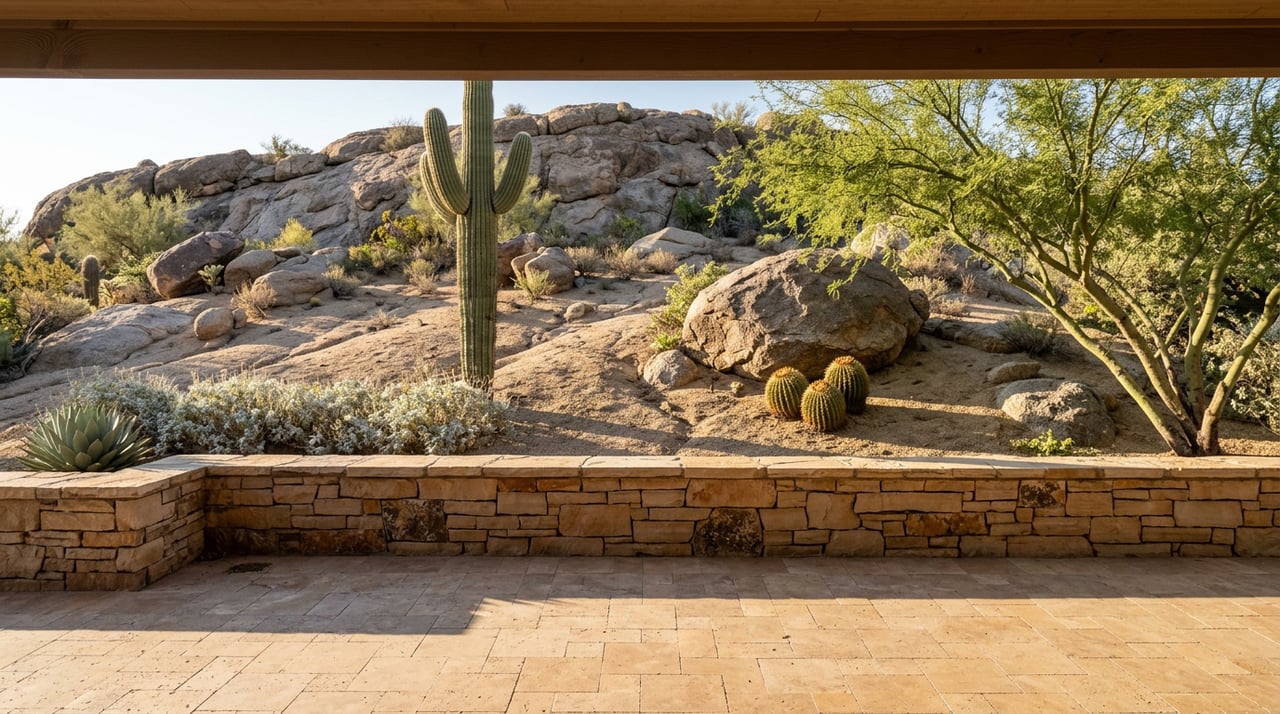
None of this changes the fundamentals of what makes a Silverleaf estate desirable. The setting inside the McDowell Mountains, the Weiskopf-designed course, and the architectural review that keeps every custom build to a high standard are exactly what draws buyers here in the first place. What it does change is how a listing should be priced, marketed, and timed. A seller who treats Silverleaf as one market with one median, and who assumes the club membership rides along with the sale, is working from a story the paperwork does not actually support.
A Few Questions Sellers Ask First
Does the Silverleaf Club membership transfer with the home? No. Membership is handled entirely by the club, separate from the HOA, and resale of an existing membership goes through the club's own process rather than the closing.
How long is the club's golf membership waitlist? Current club information points to a multi-year wait for full golf membership, which matters most for buyers purchasing specifically for course access.
Who pays for the mandatory resale inspection, and what happens if the home fails? The residential inspection fee is $100, and if a violation surfaces, the association and owner negotiate a cure period of 10 to 180 days rather than blocking the sale outright, though the timeline depends on the complexity of the fix.
Selling a home in a community with this many moving parts rewards representation that already understands where the friction sits, from club transfer questions to which HOA fee applies at which layer. If you're weighing a listing in Silverleaf or want a clearer read on where your home fits among its very different price tiers, Lauren Ellington can walk through a confidential consultation and a current valuation built around your specific sub-neighborhood, not a community-wide average.