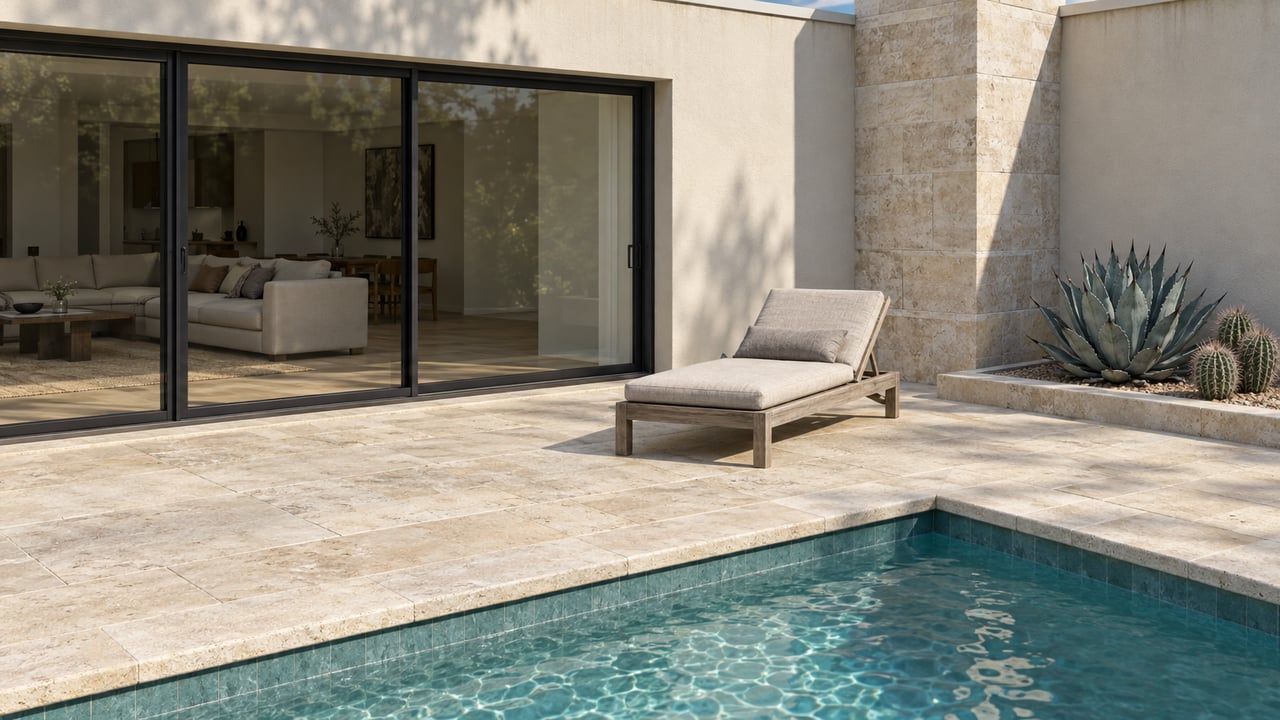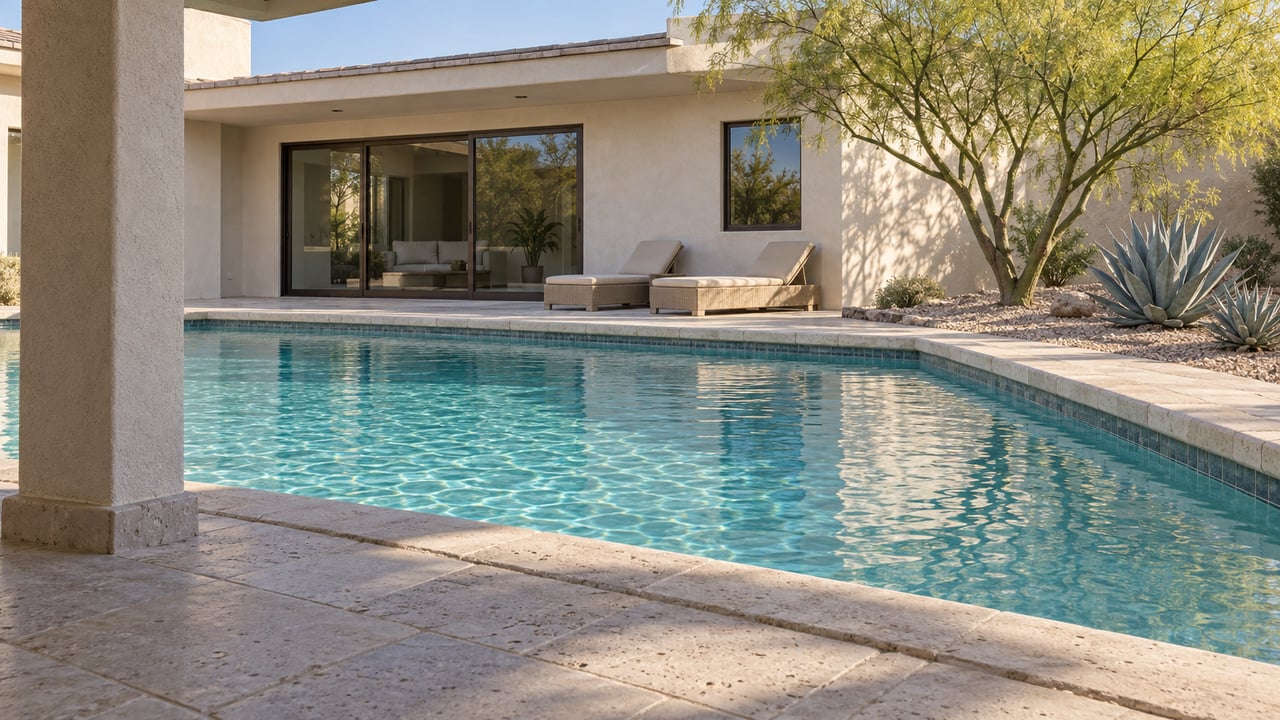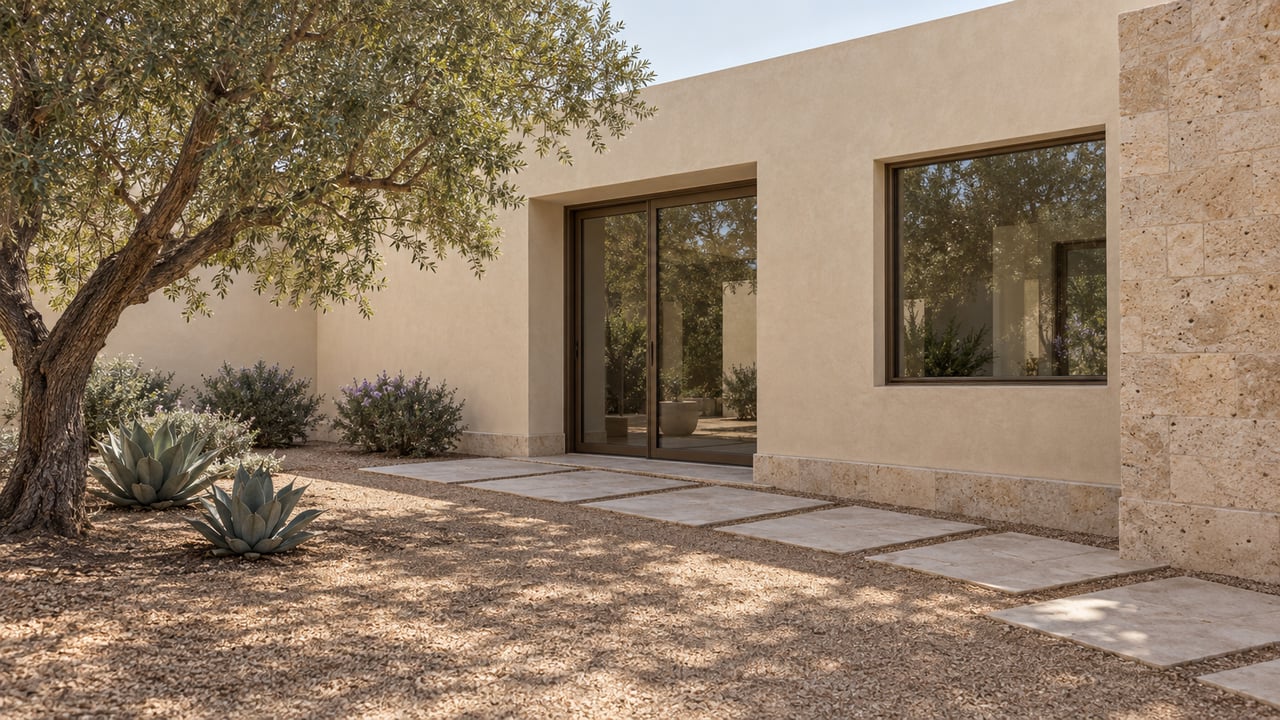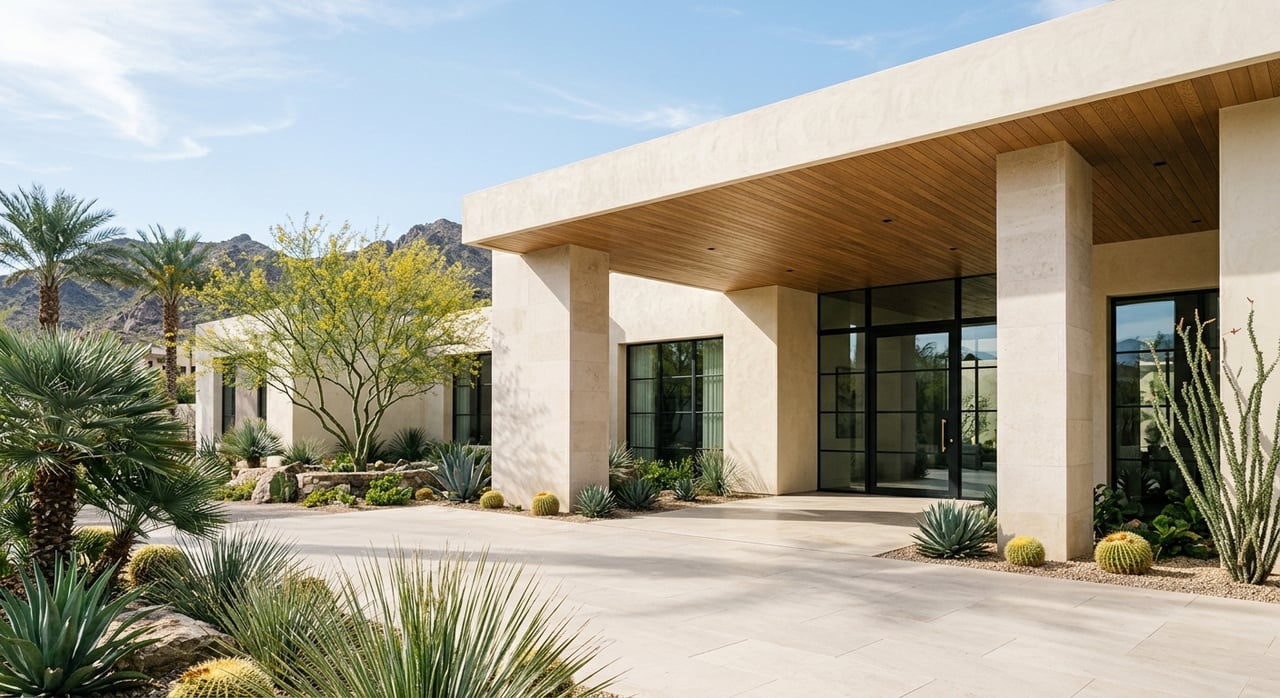
If you love Arcadia but feel ready for more space, more privacy, and a different day-to-day rhythm, Paradise Valley may be the natural next move. This is not just a price jump or a bigger-house decision. It is a lifestyle shift, and understanding that shift can help you make a smarter move with less stress. Let’s dive in.
Why this move feels different
Moving up from Arcadia to Paradise Valley changes more than your address. Arcadia is a Phoenix neighborhood with strong ties to the city core, while Paradise Valley is its own incorporated town in Maricopa County. That difference shapes everything from lot size patterns to traffic flow to how your home feels once you pull into the driveway.
Paradise Valley is predominantly zoned for single-family homes across 15.4 square miles, with an estimated 12,774 residents in 2025. The town’s long-term vision is centered on a primarily one-acre residential community with natural open space and limited government. If you are looking for a setting that feels more estate-oriented and less urban, that matters.
It also helps to know that Paradise Valley is not the same as Paradise Valley Village in northeast Phoenix. For buyers moving from Arcadia, that distinction is important because the true Town of Paradise Valley has its own land use pattern, identity, and pace. When people talk about the Paradise Valley luxury market, this is usually the area they mean.
Arcadia vs Paradise Valley at a glance
At a high level, Arcadia often appeals to buyers who want a central location, an established neighborhood feel, and a mix of vintage homes, remodels, and newer construction. Paradise Valley tends to appeal to buyers who want larger parcels, more separation between homes, and a more custom-estate lifestyle. Neither is better in a universal sense. The right fit depends on how you want to live.
Here is the clearest way to think about it:
| Feature | Arcadia | Paradise Valley |
|---|---|---|
| Community type | Phoenix neighborhood | Incorporated town |
| Setting | More connected to central Phoenix | More secluded, estate-oriented |
| Lot pattern | Varies block to block | More consistently low density |
| Market median listing price, April 2026 | About $2.0M | About $5.0M |
| Homes for sale, April 2026 | 112 | 372 |
| Median market time | 62 days | 75 days |
| Market balance, March 2026 | Balanced | Balanced |
Those numbers show the obvious price jump, but they also point to a planning issue. Because both markets were considered balanced in spring 2026, you may need a very deliberate strategy for selling in Arcadia and buying in Paradise Valley without losing momentum.
Lot sizes matter more than you think
One of the biggest reasons people move from Arcadia to Paradise Valley is land. Arcadia has historic roots as an area of rural estate residences and citrus orchards, and some parcels are still quite large. But today, lot sizes can vary widely from one pocket to the next.
Recent Arcadia listings have ranged from a 6,630-square-foot vacant lot to a 0.75-acre build site, a 1.52-acre estate, and a 2.05-acre parcel. In other words, Arcadia can absolutely offer generous space, but it does not follow one consistent standard. You may find a large lot on one street and a much smaller homesite a few blocks away.
Paradise Valley is different. Most residential zoning is one residence per acre, with some five-acre estate lots and some smaller resort-related lots around 10,000 square feet. The practical takeaway is simple: Paradise Valley usually delivers a more predictable low-density feel.
What that means for your daily life
A larger and more consistent lot pattern often changes how a home lives. You may get longer driveways, more distance from neighbors, and a stronger sense of retreat. For many move-up buyers, that sense of arrival is part of the goal.
It can also change what you prioritize in your home search. In Arcadia, you may have been willing to compromise on lot uniformity to stay close to key Phoenix destinations. In Paradise Valley, the land itself often becomes a central part of the value.
Privacy and pace are part of the upgrade
Paradise Valley’s identity is intentionally quieter and more enclave-like. The town describes itself as a quiet desert oasis surrounded by Camelback Mountain, the Phoenix Mountain Preserve, and the McDowell Mountains. Local streets are also intended to limit through traffic, which supports a more tucked-away residential atmosphere.
That creates a very different feel from Arcadia. Arcadia remains highly desirable in part because of its proximity to neighboring communities and easier access to downtown Phoenix. If Arcadia feels connected and in-town, Paradise Valley often feels more removed, even though you are still close to major Valley destinations by car.
For some buyers, this is the whole point of moving. You are not just upgrading square footage. You are shifting toward a more private, more residential, and often more custom home environment.
A resort-residential character
Paradise Valley also has a distinct resort-residential profile. Official town facts note 9 resorts, 3 golf courses, 4 medical centers, and 11 schools within the town. That mix supports a polished, luxury-oriented atmosphere, but it does not create the same commercial pattern you might expect in a denser urban neighborhood.
For you, that may translate into a calmer home base and a stronger sense that residential living leads the experience. If you want a property that feels more like a personal retreat, Paradise Valley is often where that goal becomes more achievable.
Expect a more car-dependent routine
One practical change that deserves attention is transportation. Paradise Valley’s general plan states that the primary mode of transportation is the automobile, and regional transit and nonvehicular networks provide only limited service. That means most errands, appointments, and social plans will likely happen by car.
If you are coming from Arcadia, that shift may feel noticeable. Arcadia’s central Phoenix location generally places you well for trips to downtown Phoenix, the Camelback and Biltmore corridor, Old Town Scottsdale, and Sky Harbor. Paradise Valley can still offer strong regional access, but the day-to-day experience is less about being plugged into the city grid and more about moving between destinations from a quieter home base.
Questions to ask yourself before you move
Before you commit, think through the routine side of the transition:
- How often do you drive into central Phoenix during the week?
- How important is quick access to multiple commercial areas?
- Do you want your home to feel more connected or more tucked away?
- Would you trade some convenience for more privacy and lot size?
These questions can help you define whether Paradise Valley is the right move now or a future move when your priorities shift.
The market gap requires a smart plan
The financial side of moving from Arcadia to Paradise Valley deserves careful planning. As of April 2026, Realtor.com reported a median listing price of about $2.0 million in Arcadia and about $5.0 million in Paradise Valley. That is a meaningful jump, even for well-positioned move-up buyers.
At the same time, both markets were labeled balanced in March 2026, with sale-to-list ratios of 96% in Arcadia and 95% in Paradise Valley. Arcadia had a median market time of 62 days, while Paradise Valley was at 75 days. Those conditions suggest that timing matters on both sides of the transaction.
How to think about timing
If you own in Arcadia and want to buy in Paradise Valley, your plan may need to start with your equity position and purchase readiness. The question is not just whether you can afford the new home. It is whether you can line up the sale and purchase in a way that protects your negotiating position and your peace of mind.
A few items to think through early include:
- Your likely sale range in Arcadia
- Cash needed for down payment and closing costs
- Whether financing will be part of the purchase
- Whether a rent-back could help bridge the timing gap
- Whether a bridge-style solution may be needed
This is where local guidance really matters. In a move like this, strategy can be just as important as budget.
What buyers often gain in Paradise Valley
For the right buyer, the move from Arcadia to Paradise Valley can offer benefits that go well beyond size. The most common gains are tied to consistency, privacy, and long-term lifestyle fit. You may feel that your home functions more like a retreat and less like a stop along a busy daily loop.
Buyers are often drawn to Paradise Valley for reasons like these:
- More consistently estate-style parcels
- A lower-density residential setting
- Greater separation between homes
- A quieter street network with limited through traffic
- A stronger custom-home and luxury-estate feel
That does not mean every property checks every box. But overall, the town’s land use and planning vision support these priorities in a more uniform way than Arcadia typically does.
How to decide if now is the right time
If you are considering this move, the first step is clarity. You want to know whether your current Arcadia home still matches your lifestyle, or whether you are starting to outgrow the neighborhood’s central, more connected feel. Once that answer becomes clear, the rest of the process gets easier.
A smart move-up plan usually starts with two parallel questions. First, what is your Arcadia home likely to command in today’s market? Second, what version of Paradise Valley actually fits your goals, whether that means lot size, privacy, architecture, or overall setting?
When you answer both at the same time, you can move with more confidence. You are no longer guessing about budget, trade-offs, or timing. You are making a deliberate lifestyle decision with a clear roadmap.
If you are weighing a move from Arcadia to Paradise Valley, Lauren Ellington offers the local insight, boutique service, and discreet guidance to help you evaluate your options, prepare your sale, and pursue the right next home with confidence.
FAQs
What is the main difference between Arcadia and Paradise Valley?
- Arcadia is a Phoenix neighborhood with a more central, connected feel, while Paradise Valley is an incorporated town known for predominantly single-family zoning, larger lots, and a quieter estate-oriented setting.
How much more expensive is Paradise Valley than Arcadia?
- As of April 2026, Realtor.com reported a median listing price of about $2.0 million in Arcadia and about $5.0 million in Paradise Valley.
Are lot sizes in Paradise Valley usually larger than in Arcadia?
- Paradise Valley is generally more uniform in its low-density pattern, with most residential zoning allowing one residence per acre, while Arcadia lot sizes can vary widely block to block.
Is Paradise Valley more private than Arcadia?
- In many cases, yes. Paradise Valley’s land use, larger parcels, and street design intended to limit through traffic often create a more private and secluded feel.
Is Paradise Valley harder for commuting and errands than Arcadia?
- Paradise Valley is more car-dependent, with limited transit and nonvehicular networks, so daily routines often rely more heavily on driving than they might in Arcadia.
Should you sell your Arcadia home before buying in Paradise Valley?
- That depends on your equity, financing, and risk tolerance, but because of the price gap and balanced market conditions in both areas, it is wise to build a careful sale-and-purchase strategy before making offers.