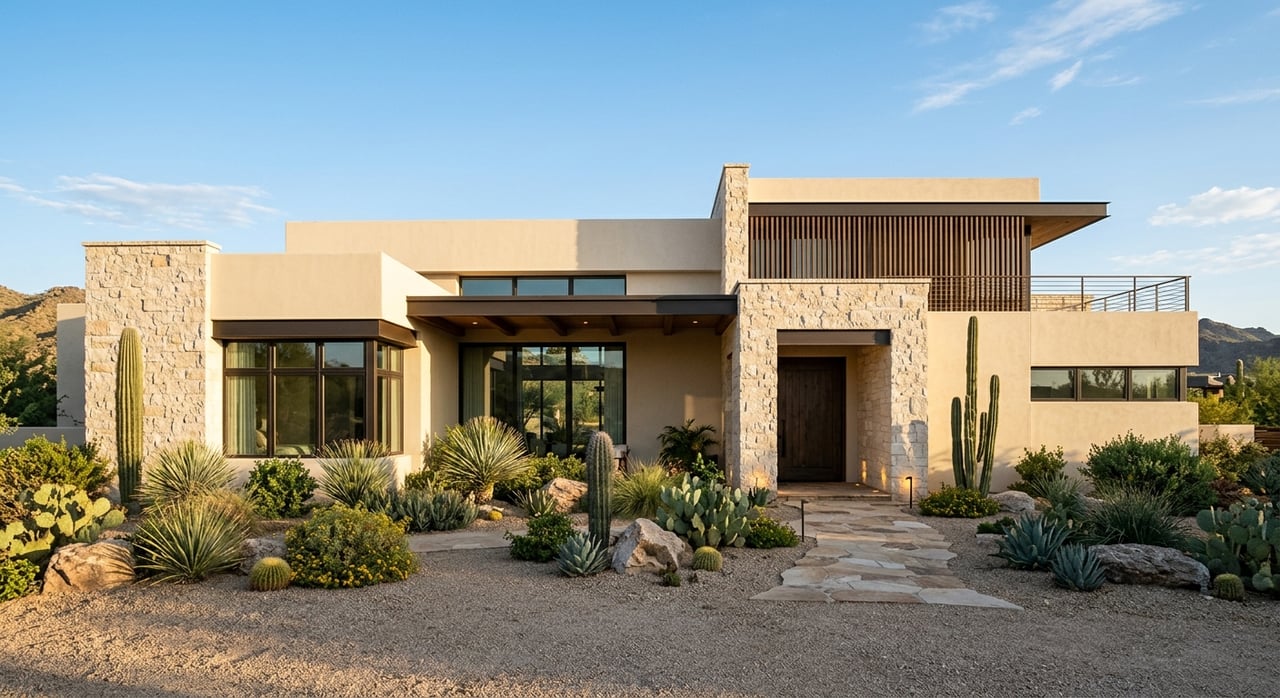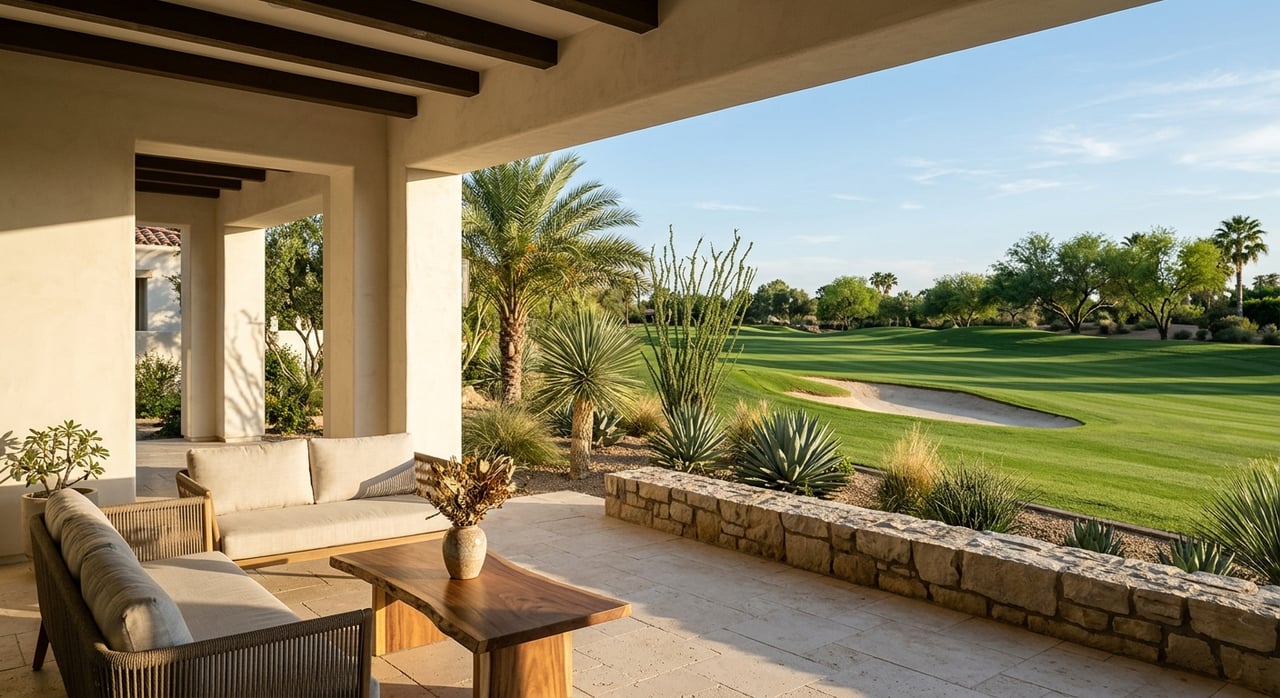
If you are buying or selling in Camelback Country Club, a golf course view can feel like an obvious value boost. But in Paradise Valley, the real story is more specific than simply being near a course. The lot’s orientation, the type of golf frontage, and even HOA design rules can all shape how buyers respond. Let’s dive in.
Why golf views matter in Paradise Valley
Paradise Valley places a high value on open space and view protection. The Town’s 2022 General Plan identifies preserving natural open space, mountain views, and view corridors as core community priorities. It also treats turf areas at private golf courses as part of the town’s private open space landscape.
That context matters in Camelback Country Club. A home that looks out over a fairway or green is not just gaining a golf feature. It may also be tapping into one of the town’s most valued lifestyle elements, which is a sense of openness, distance, and visual relief.
Camelback Golf Club itself adds another layer. The town identifies it as a 36-hole public-use facility, and Marriott describes the two courses as Ambiente and Padre. That means there is no single “golf lot” experience here because sightlines, play patterns, and lot positions can vary a lot from one edge of the course to another.
Not all golf views add value equally
Research supports the idea that golf course frontage can raise home values, but not in a uniform way. One matched-pair study found that homes abutting a golf course sold for about 7.6% more in its sample, largely due to unobstructed views, privacy, and a lower-density feel.
At the same time, later research found that some golf-adjacent communities showed no significant price effect at all. A 2020 review of 21 golf-course studies also found that frontage is often defined too broadly and that premiums can fall quickly when a home is near a course but does not actually capture a meaningful view.
For Camelback Country Club, that distinction is important. Buyers are often responding to what they can actually see from main living spaces, patios, and pool areas, not just what appears on a map.
Fairway views usually carry the strongest appeal
In general, direct fairway and green views tend to send the clearest value signal. Research ties golf-related premiums more closely to unobstructed views and privacy than to simple proximity. In other words, a home that opens cleanly to the course may attract more attention than one that is technically golf-adjacent but visually blocked.
This fits the way Camelback listings are marketed today. Homes are described by whether they sit along the fairway, between a green and fairway, or in a position that captures broad mountain and golf-course views. That language suggests buyers and sellers are already treating view quality as a major differentiator.
If you are selling, this means your best pricing story may come from how the home lives toward the course. Window placement, patio orientation, and the way outdoor spaces frame the view can all matter.
Tee box and cart path lots are more nuanced
A tee box location is not automatically better or worse. In some cases, it can create an open and dramatic view corridor. In others, it may bring more activity, maintenance traffic, or concerns about golf-ball exposure.
That nuance is backed by research. One peer-reviewed Appraisal article found that cart-path proximity reduced prices by 5.1% in its sample, with larger discounts near greens at 11.6% and tees at 8.6%.
That does not mean every tee-box lot in Camelback is discounted. It does mean buyers may separate a peaceful, setback tee-box view from a lot that feels too close to play. Current listing language reflects that distinction, including examples where a home is marketed as being along tee boxes but tucked back to reduce exposure or disturbance.
Current Camelback listings show a thinner luxury niche
Current listing patterns also help explain how golf-view homes sit in the market. Redfin’s Camelback Country Club Estates view filter shows 10 homes with a view at a median listing price of $6.49 million, with a typical market time of 209 days.
By comparison, Paradise Valley overall had a median sale price of $4.4 million over the three months ending May 2026, with a median of 91 days on market. These are not apples-to-apples numbers because one set reflects active listings and the other reflects closed sales.
Still, the contrast suggests something useful. View-oriented Camelback inventory appears to sit in a smaller, higher-end, and slower-moving slice of the market. That can mean stronger pricing potential for the right home, but it also points to a buyer pool that may be more selective.
Orientation shapes what buyers pay for
A golf course address alone does not create the same emotional impact as a well-framed view. Orientation determines whether buyers see a long fairway, a green, a teeing area, or a partial side angle. It also affects what they experience from the kitchen, great room, primary suite, and outdoor entertaining areas.
In Camelback Country Club, listing descriptions show that sellers and agents are already separating these positions carefully. A home along the fairways may be presented differently from one between the 8th green and 2nd fairway, or one overlooking the 17th tee box on the Ambiente Course.
That is a practical reminder for both buyers and sellers. The market may reward the specific view corridor, not just the neighborhood label.
HOA rules can influence long-term view value
In Camelback Country Club Estates I & II, owners are directed to review the community’s CC&Rs and architectural and landscape guidelines before making changes. That matters because walls, hedges, additions, and exterior upgrades can either preserve or interfere with a golf view over time.
Paradise Valley’s General Plan also notes that open-space views from private property are not regulated by the town. That shifts more of the view-preservation story to the parcel itself and the HOA framework.
For sellers, this is part of the value conversation. For buyers, it is worth understanding what may affect the view you are paying for and what changes may require review before you make them.
What buyers should look for on a golf-view lot
If you are evaluating a home in Camelback Country Club, it helps to go beyond the words “golf course view.” Look closely at how the lot actually performs day to day.
Here are a few practical things to study:
- What part of the course the home faces, such as fairway, green, tee box, or cart path
- Whether the main rooms and outdoor spaces capture the view directly
- How much setback there is from active play
- Whether landscaping, walls, or fencing interrupt the view corridor
- How private the backyard feels despite the open exposure
- Whether the lot position balances openness with peace and quiet
A strong golf-view lot often feels spacious and calm, not just scenic.
What sellers should highlight when pricing and marketing
If you are preparing to sell, your golf frontage should be described with precision. Buyers in this price range often respond to specifics, especially when comparing several properties with similar square footage or finish levels.
It helps to show exactly what makes your lot stand out. That may include direct fairway exposure, mountain backdrops, a tucked-back position near a tee box, or outdoor living spaces that fully open to the course.
Your pricing strategy should also stay grounded in the exact lot condition. The safest conclusion from the research is that a golf premium is real, but not guaranteed. The size of that premium depends on the home’s exposure, privacy, activity level, and the current mix of available inventory.
The bottom line on Camelback values
Golf course views can absolutely shape home values in Camelback Country Club, but the most important word is which view. A broad fairway outlook, a quiet setback, and a strong indoor-outdoor connection may support buyer demand more than simple proximity to the course.
In a place like Paradise Valley, where open space and view corridors are part of the local identity, those details carry real weight. If you are buying or selling in Camelback Country Club, a careful lot-by-lot analysis is often the best way to understand where value truly lives.
When you want a tailored read on how your specific lot position may influence pricing, marketing, or buyer appeal, connect with Lauren Ellington for a confidential consultation.
FAQs
How do golf course views affect Camelback Country Club home values?
- Golf course views can support buyer appeal and pricing, but the effect depends on the exact lot position, the quality of the view, privacy, and how the home is oriented to the course.
Are fairway lots better than tee-box lots in Camelback Country Club?
- Fairway lots often have broader appeal because they can offer open views and privacy, while tee-box lots are more nuanced and may be influenced by activity, maintenance exposure, and setback from play.
Do all Camelback Country Club golf-adjacent homes get a premium?
- No. Research shows golf-related premiums are not automatic, and homes near a course without a meaningful view may not see the same benefit as direct-view properties.
Why do HOA rules matter for Camelback Country Club views?
- HOA rules matter because landscape changes, walls, and exterior modifications can preserve or obstruct a view corridor over time, which may affect how buyers see the property.
Are Camelback Country Club view homes in a different price segment?
- Current listing patterns suggest view-oriented homes in Camelback sit in a smaller, higher-priced, and slower-moving segment than the broader Paradise Valley market.